

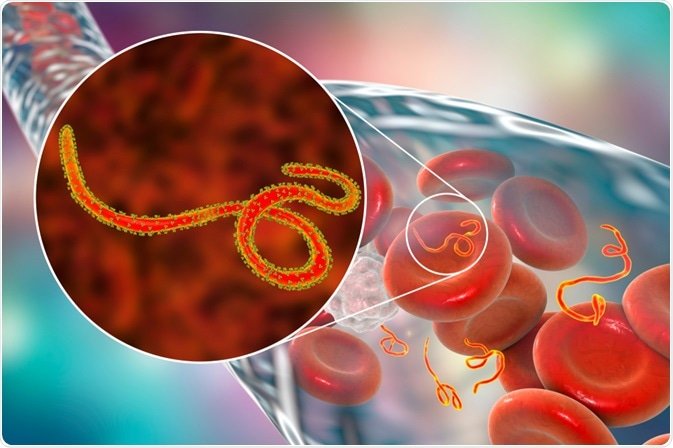
India is on high alert as the Ebola outbreak in Central Africa continues to spread. On Monday, Health Minister J.P. Nadda chaired a high-level meeting with senior officials to review the country’s readiness. He directed authorities to keep screening, tracking, and testing systems fully active across all entry points, including airports, seaports, and land borders.
The government confirmed that no Ebola case has been reported in India so far, but precautionary measures are being strengthened. The Indian Council of Medical Research (ICMR) and the National Centre for Disease Control (NCDC) have been asked to maintain constant vigilance.
The World Health Organization (WHO) has declared the outbreak a Public Health Emergency of International Concern, noting 746 suspected cases and 176 deaths. The Bundibugyo strain, which is driving the outbreak, currently has no approved vaccine or treatment.
India has already issued travel advisories for passengers arriving from high-risk countries such as the Democratic Republic of the Congo, Uganda, and South Sudan. Standard operating procedures have been shared with states and Union Territories, covering isolation protocols, clinical management, and tracking measures.
Major airports, including Delhi’s Indira Gandhi International Airport, have updated travel protocols with non-contact thermal screening and health self-declaration forms. Officials reassured citizens that the domestic risk remains low, citing India’s successful containment efforts during the 2014 Ebola scare.
India’s proactive steps reflect its commitment to safeguarding public health while staying prepared for global emergencies.