
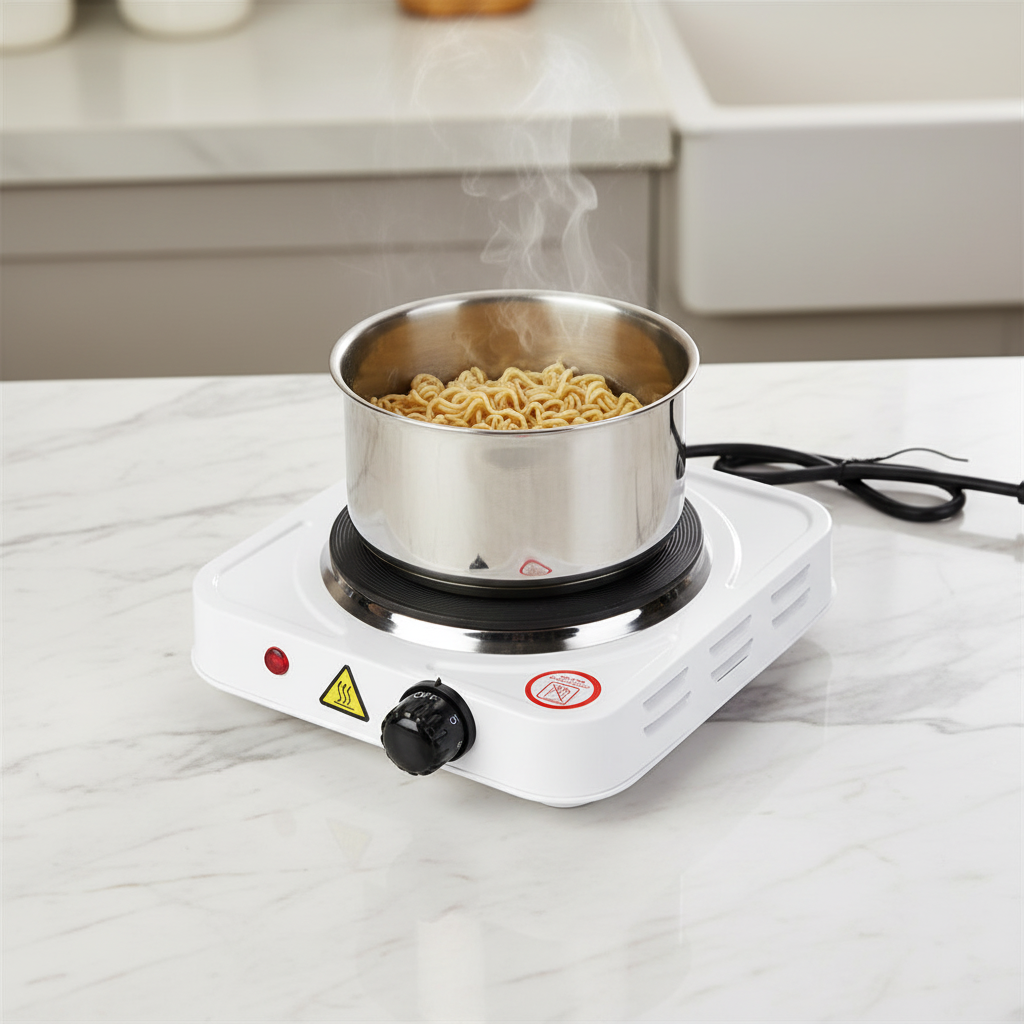
Electric cooking, once a backup option in Indian kitchens, is now being reconsidered as a mainstream choice due to volatile LPG prices and global energy disruptions. Induction cooktops and other electric appliances are attracting interest, but experts caution that widespread adoption faces significant challenges.
The biggest obstacle is electricity reliability. Unlike LPG, which can be stored and used flexibly, electric cooking depends entirely on uninterrupted power. Frequent outages and voltage fluctuations across many regions make it impractical for households and restaurants that rely on consistent cooking schedules.
Cultural preferences also play a role. Indian cooking traditions often require an open flame for roasting, searing, or preparing dishes like dosas and tandoor items. While induction technology has improved, gas stoves are still seen as more versatile and adaptable across cuisines. Restaurants, for example, have shifted some slow-cooking dishes to induction but continue to depend on gas for flame-based techniques.
Economics add another layer of complexity. Basic induction cooktops cost between ₹2,000–₹4,000, while a full electric cooking setup can go up to ₹10,000 or more. For many households, this remains a significant investment compared to the familiarity and flexibility of LPG.
Experts believe that for e-cooking to scale, India needs stronger grids, affordable appliances, and clear policy support. Without these, electric cooking may remain a niche solution rather than a nationwide shift.