

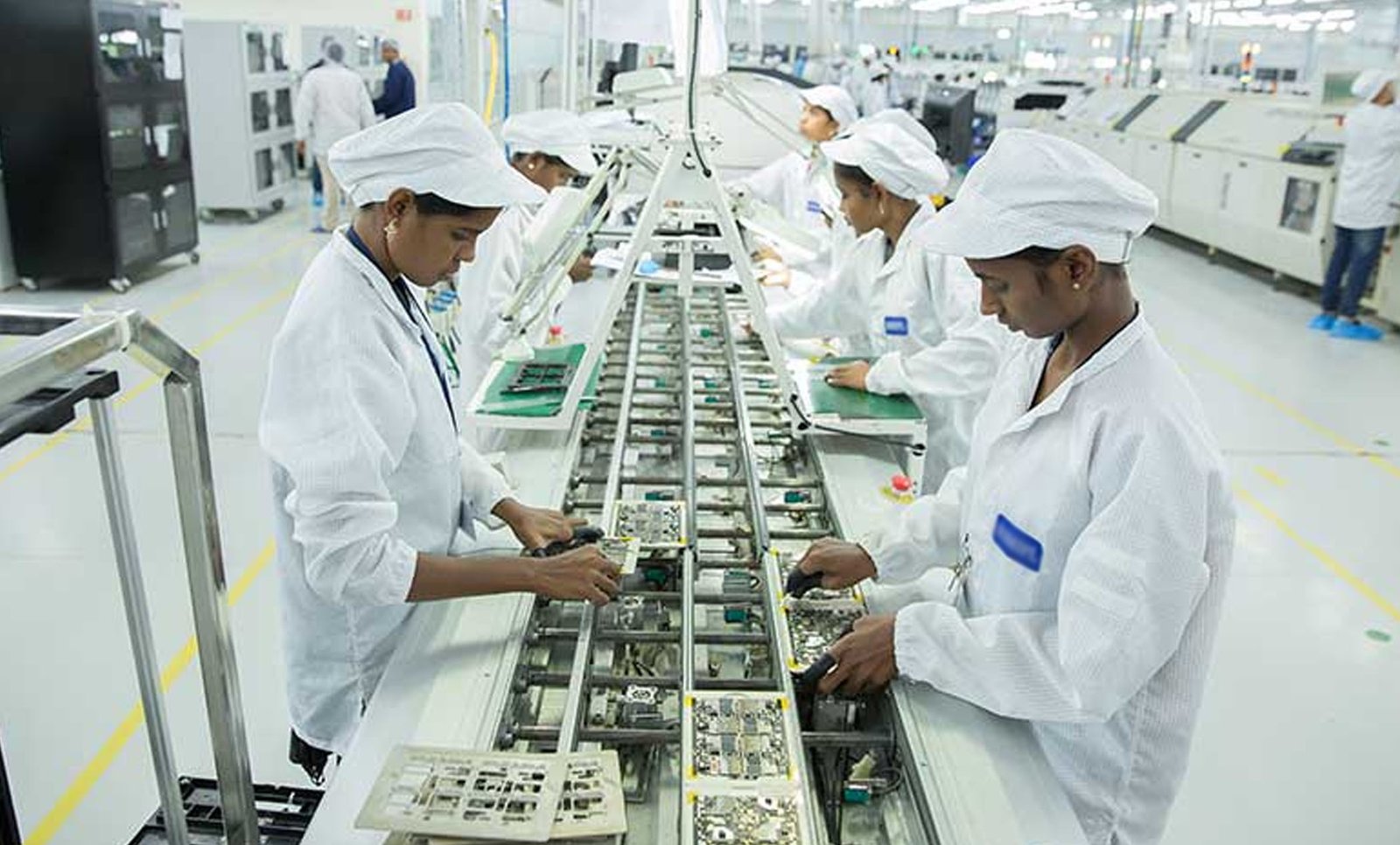
India has become the world’s second-largest mobile manufacturer, with output rising 33 times from ₹18,900 crore in FY15 to ₹6.3 lakh crore in FY26. Exports too have jumped from ₹1,566 crore to ₹2.6 lakh crore. Now, the government’s PLI 2.0 scheme, worth ₹62,500 crore (FY27–FY31), is designed to capture more of the value chain by boosting exports, local sourcing, and domestic value addition.
The scheme offers 2.25%–5% incentives for large manufacturers and 5% plus 3% for Indian brands investing in design and R&D. Companies also get an extra 1.5% incentive for sourcing components locally, making localization a key focus.
Dixon Technologies is already a leader, producing 75 lakh smartphones in Q1 FY27 and exporting 6–7 lakh units. Despite margin pressure, Dixon expects strong growth with its new Vivo joint venture and backward integration into camera modules and displays, which will qualify for higher incentives. The company targets 3.2 crore units in FY27, with exports potentially adding ₹18,000–20,000 crore revenue.
Amber Enterprises, traditionally strong in air conditioners, has entered mobile manufacturing through a partnership with Oppo, OnePlus, and Realme. Starting with 80 lakh units in FY28, Amber plans to double volumes by FY29 and raise local value addition to 35–40% over five years, supported by PCB integration.
Together, Dixon and Amber represent India’s next big leap in mobile manufacturing.