


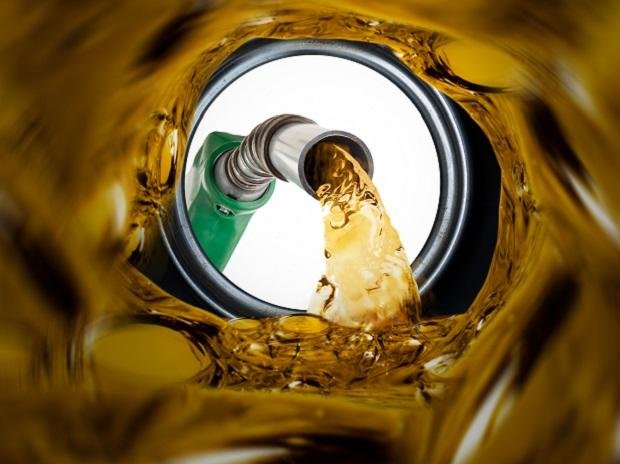
India’s state‑owned oil companies are facing massive financial strain as they continue to shield households from global energy shocks. Since the Middle East conflict began ten weeks ago, Indian Oil Corporation, Bharat Petroleum, and Hindustan Petroleum have kept petrol, diesel, and LPG prices largely unchanged, despite crude oil jumping nearly 50%.
This policy has protected consumers from inflation, but the cost is staggering. The three firms are losing ₹1,600–1,700 crore every single day, adding up to more than ₹1 lakh crore in under‑recoveries in just ten weeks. Petrol remains at ₹94.77 per litre and diesel at ₹87.67, unchanged for two years. LPG was raised by only ₹60 in March, far below actual costs.
Globally, countries like Japan and the UK have raised fuel prices by up to 30%, while India has chosen stability. However, the financial burden is forcing oil firms to borrow more, delaying investments in refining, pipelines, and clean energy projects.
Experts warn that if crude prices stay high, calibrated hikes or government support may become unavoidable. While India’s strategy has cushioned households, the sustainability of this model is now in question. Without relief, the current approach may not hold for long.