
 Business
 Crypto
 Markets
 INDIA
INDIA Stocks
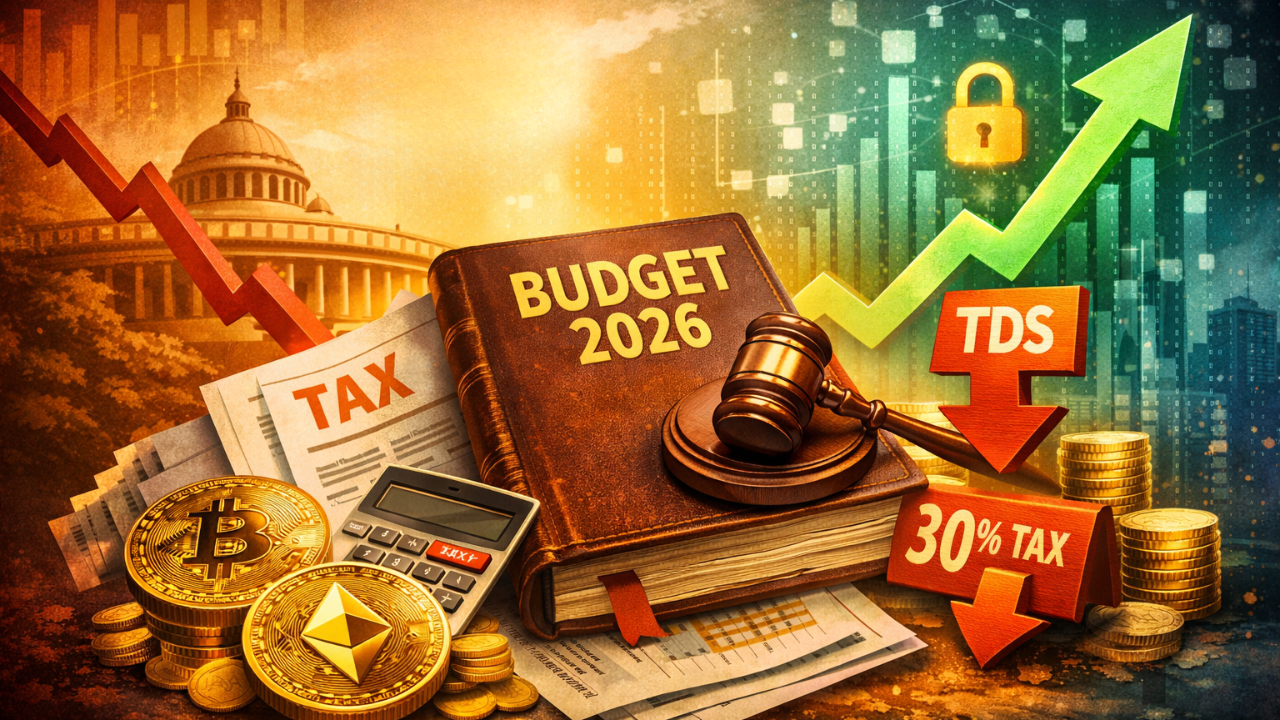
The recent increase in Securities Transaction Tax (STT) has made trading in derivatives more expensive and challenging. With this hike, the breakeven point for traders has now gone up to 25 points, which means traders need a larger price movement just to cover costs before making any profit.
This change is especially tough for high-frequency trading (HFT) strategies, which depend on small price differences and quick trades to earn returns. Since the cost of each trade has increased, many of these strategies may no longer remain profitable.
Market experts believe this move could reduce liquidity in the derivatives market, as fewer traders will be willing to take risks when costs are so high. Lower liquidity often leads to wider spreads and less efficient price discovery, which can affect all participants in the market.
While the government sees STT as a way to increase revenue, traders and investors feel it may discourage active participation and innovation in trading strategies. The rise in costs could push some traders to shift towards other instruments or markets where transaction expenses are lower.
In short, the STT hike has created a tougher environment for derivatives trading in India, raising concerns about the future of high-frequency strategies and overall market efficiency.