


Nifty 50 index has shown varied performance under different Prime Ministers, reflecting the interplay of reforms, global trends and investor sentiment. During Atal Bihari Vajpayee’s tenure from 1999 to 2004, the benchmark delivered a moderate 40% gain. Under Dr. Manmohan Singh, markets witnessed extraordinary rallies. Between 2004 and 2009, Nifty surged 172%, and in the following term from 2009 to 2014, it climbed another 179%, marking one of the strongest bull phases in Indian equity history.
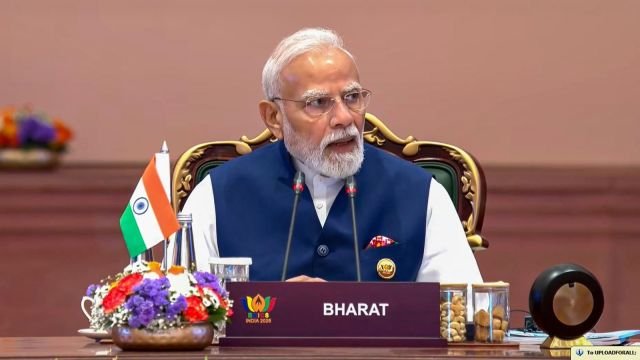
Narendra Modi’s leadership also brought significant gains in the initial years. From 2014 to 2019, Nifty advanced 93%, supported by reforms and optimism. His second term between 2019 and 2024 saw an even stronger 120% rise, driven by liquidity and policy measures. However, the current period beginning in 2024 has been challenging. Till September 2026, Nifty has slipped nearly 12%, reflecting volatility, global headwinds and cautious investor mood.
These contrasting returns highlight how political stability, economic reforms and external factors shape market direction. Singh’s era was marked by exceptional growth, Modi’s early years delivered strong rallies, while Vajpayee’s tenure showed steady but modest gains. The recent correction underlines that markets, while resilient, remain sensitive to changing conditions.