


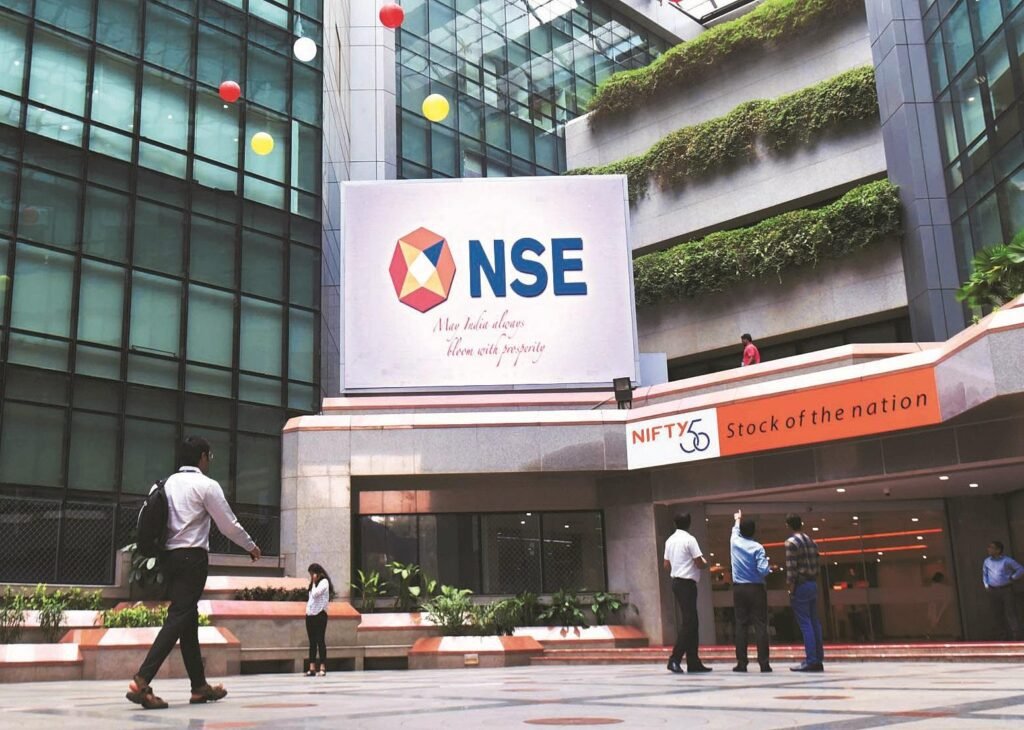
NSE’s ₹22,562 crore initial public offering drew strong institutional demand but retail investors stayed cautious. The issue was subscribed 5.71 times overall. Qualified institutional buyers led with 12.68 times, non‑institutional investors followed with 6.55 times, while retail subscription was only 1.39 times.
The IPO was entirely an offer for sale, raising no fresh capital for the exchange. The price band was ₹1,700 to ₹1,785 per share, with a minimum retail application of ₹14,280. Analysts said weak grey market premium, which fell from nearly 20% to just 2% to 5%, reduced listing gain appeal.
Valuation concerns added pressure. The IPO price was about 26% lower than the unlisted peak of ₹2,400 in June 2025, raising doubts about attractiveness. Earnings also declined, with net profit falling to ₹10,302 crore in FY26 from ₹12,188 crore a year earlier. Margins slipped to 66.9% from 73.8%.
Regulatory risks around derivatives trading, a major revenue source, and competition from multiple IPOs further limited retail participation. Analysts believe retail investors may return for long‑term holding once valuations stabilise, as NSE remains a dominant player in India’s capital markets.