


South Korea is preparing to introduce a tax on unrealised gains. This means investors may have to pay capital gains tax even if they have not sold their stocks or investments. The proposal has created debate because it involves taxing profits that exist only on paper. Many critics say it is like charging for electricity that will be used in the future, which feels unfair and impractical.
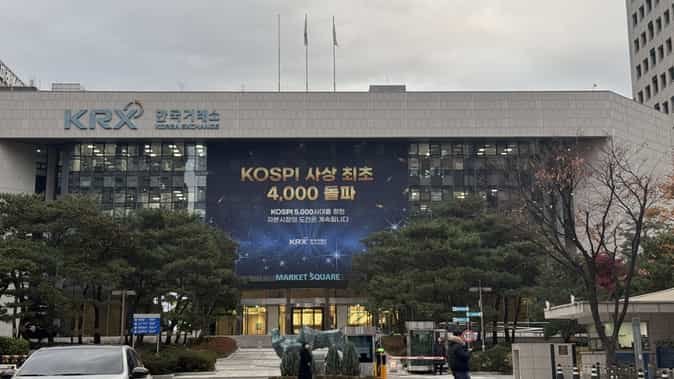
The government appears motivated by the recent rally in the KOSPI index, which has seen strong growth. By taxing paper profits, officials hope to increase revenue. However, investors are worried that such a move could reduce confidence in the market. Korea has attracted large amounts of foreign capital, and this policy may discourage further investment.
A similar case was seen in the Netherlands. The government there introduced taxes on unrealised gains, but strong public opposition forced them to roll back the rule. That example shows how unpopular such measures can become.
If South Korea goes ahead with this plan, it may face similar backlash. Market stability depends on investor trust, and taxing unrealised gains could damage that trust. While the government seeks more income, the bigger risk is losing investor confidence and slowing down future growth.