


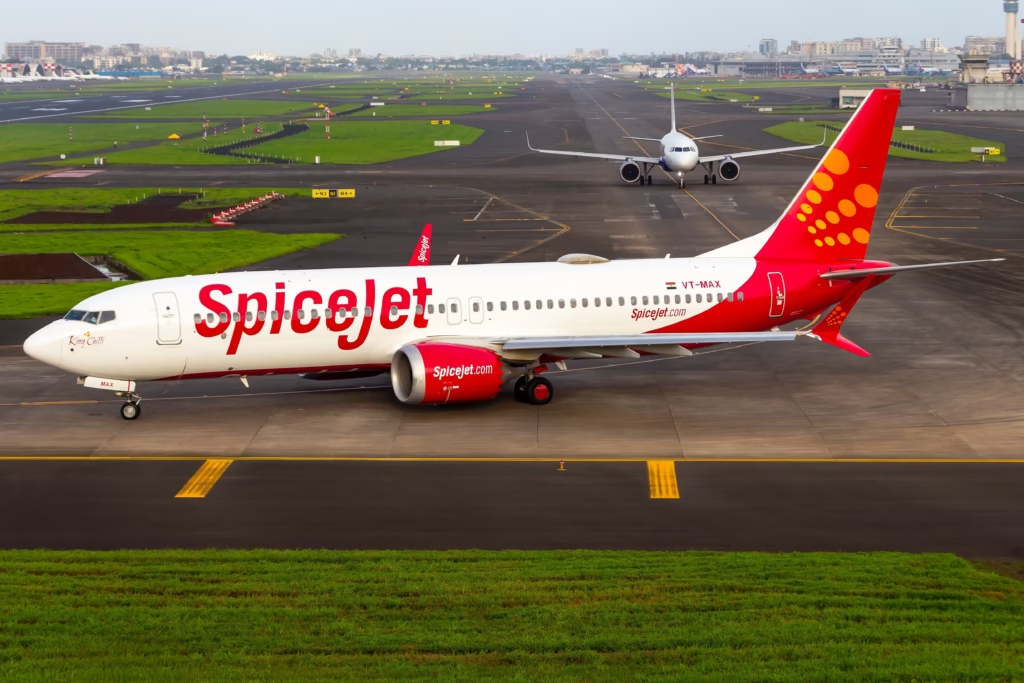
Indian aviation sector is currently facing a significant rough patch, according to the latest updates from the Ministry of Civil Aviation. It is a challenging time for both domestic carriers and frequent flyers, as several factors have combined to disrupt the smooth flow of air travel.
First and foremost, the scale of disruption is massive. Over 10,000 flights operated by Indian carriers have been cancelled recently. This has created a ripple effect, causing uncertainty for thousands of passengers. A major reason for this slump is the drastic reduction in connectivity to West Asia. Previously, there were about 300 to 350 daily flights to the region, but that number has now crashed to just 80 to 90 flights.
For many Indian airlines, this is a heavy blow because nearly 50% of their international operations were concentrated in the West Asian market. To add to these woes, the price of Aviation Turbine Fuel (ATF) has seen a moderate increase on domestic routes, making it even more expensive for companies to keep planes in the air.
Despite these hurdles, the government is actively exploring ways to cut costs and ensure passenger protection. Interestingly, even with fewer flights, the Passenger Load Factors remain very high, meaning the demand for travel is still robust. Airlines are now working hard to balance these operational pressures while keeping passengers happy.