


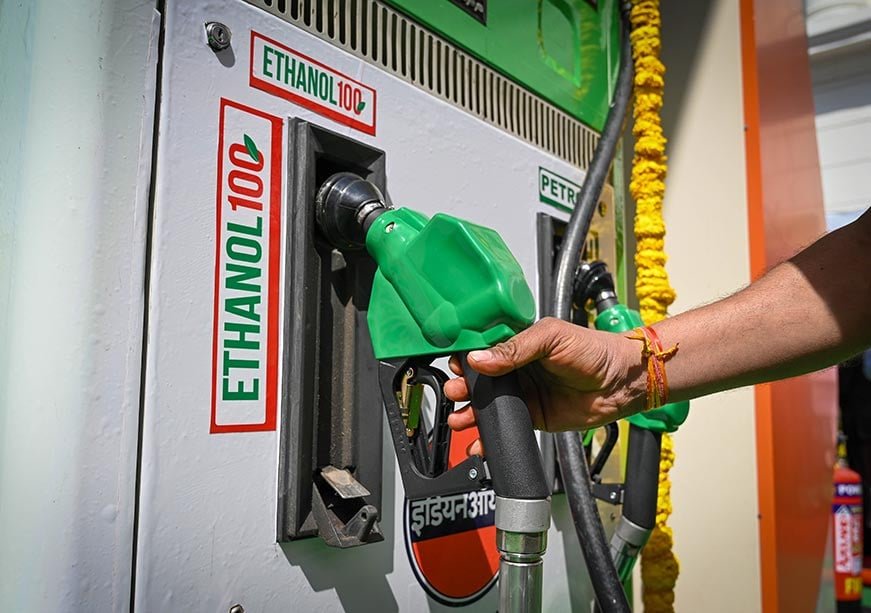
India has announced that sugar diversion for ethanol will be set at 0% in the 2026/27 supply year. Oil marketing companies have been instructed not to procure ethanol made from sugarcane juice, sugar syrup or B‑heavy molasses. Instead, tenders have been issued for 11 billion litres of ethanol sourced from corn, broken rice and surplus rice supplied by the Food Corporation of India.
This move follows poor rainfall in Maharashtra and Karnataka, which reduced sugar output and pushed retail prices above ₹55 per kg, nearly 20% higher than last year. India, the world’s largest sugar consumer, had earlier diverted about 3 million tonnes of sugar for ethanol blending, equal to nearly 10% of total production.
The government aims to protect domestic sugar supplies while continuing its E20 mandate that requires 20% ethanol blending with petrol. Procurement prices for corn‑based ethanol have also been reduced to ₹68.86 per litre from ₹71.86, lowering incentives for grain suppliers.
Officials say the decision balances the need to cut oil imports with the priority of keeping sugar available during festivals and controlling inflation. Industry experts view this as a decisive shift towards grain‑based ethanol in India’s renewable energy policy.