


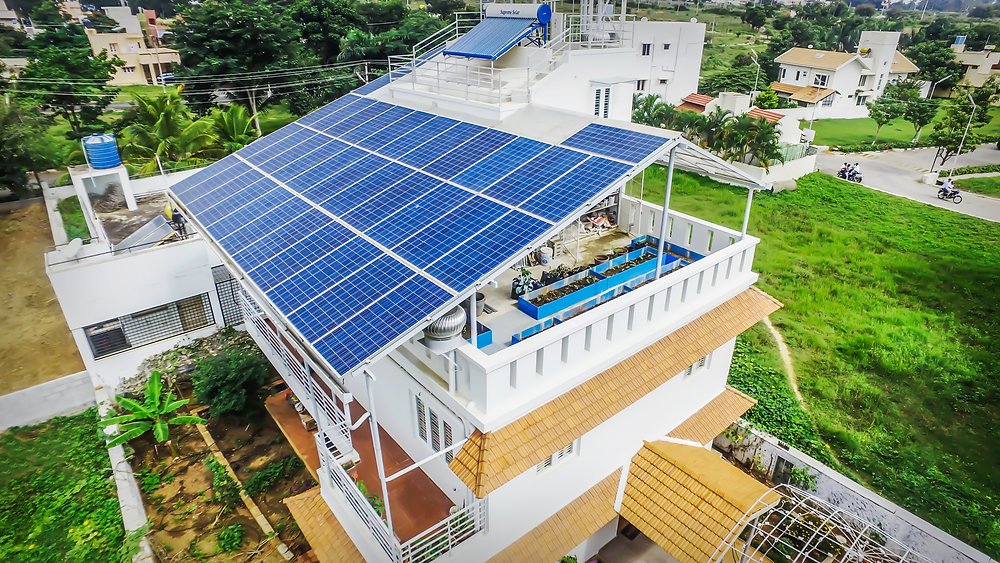
The government is preparing a new framework for the rooftop solar programme PM Surya Ghar 2.0. Unlike the earlier model that focused on panel installation, the revised scheme will connect subsidies to actual electricity generation, battery storage and long‑term service delivery.
Officials said the new design will emphasise performance and reliability. Subsidies will be tied to the amount of power produced and stored. Consumers may also receive structured support for operations, maintenance and service throughout the lifecycle of the system.
Advanced technology will be integrated. Artificial intelligence based quality checks, virtual metering and generation guarantees are under consideration. Financial support will vary according to income levels, consumer categories and regional conditions.
A policy paper is expected within two weeks. Consultations will follow on batteries, hybrid inverters, readiness of distribution companies and regulatory adjustments.
The current scheme offers free electricity up to 300 units a month. The new approach aims to strengthen consumer confidence by linking benefits to measurable performance. Payback is expected in five to six years. Adoption may weaken if the period extends beyond seven years.
Higher income households may adopt with reduced support while lower income families will require stronger subsidies. States that already provide free electricity may convert recurring subsidies into one‑time solarisation support.
This transition is expected to enhance grid stability, improve consumer trust and create a sustainable rooftop solar market.