


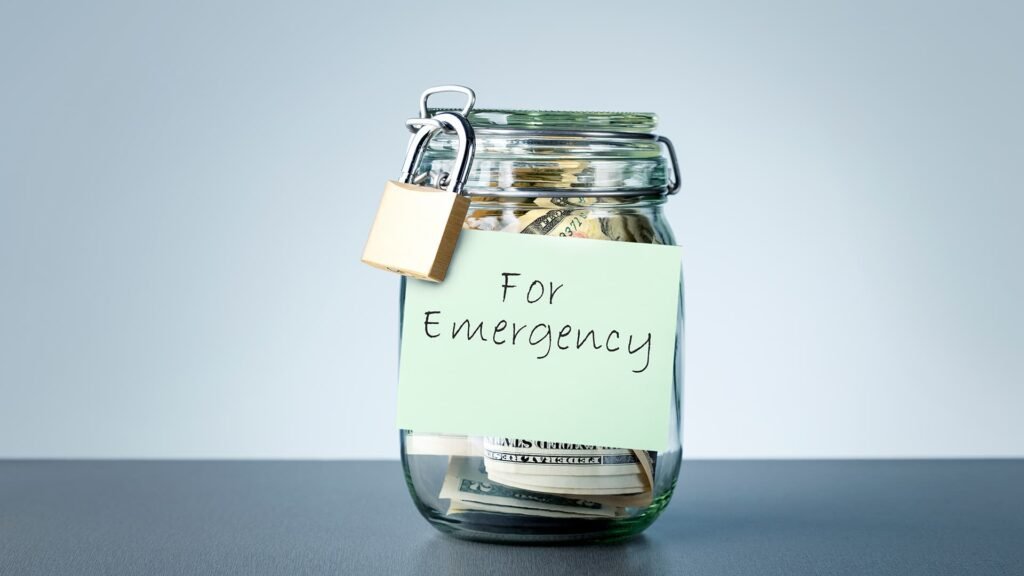
Financial experts stress that an emergency fund is no longer optional for Indian households. With rising medical costs, job uncertainties and sudden expenses, families need a safety net to remain debt‑free and secure. A well planned reserve ensures stability during unexpected crises.
The first rule is to save at least three to six months of household expenses. This amount should cover rent, EMIs, groceries and utilities. The second rule is to keep the fund separate from daily savings to avoid casual withdrawals. The third rule is to prioritise liquidity over returns. Emergency money must be easily accessible and safe, not locked in risky investments.
The fourth rule is to start small but begin immediately. Even modest monthly contributions of ₹1,000 to ₹5,000 gradually build strength. The fifth rule is to refill the fund quickly after using it so that protection remains intact. The sixth rule is to review the fund annually and adjust its size as income and expenses grow.
An emergency fund prevents reliance on loans or credit cards during tough times. It also protects long‑term investments from premature liquidation. Most importantly, it provides peace of mind and confidence to face life’s uncertainties. By following these six rules, Indian families can remain financially resilient and debt‑free.