


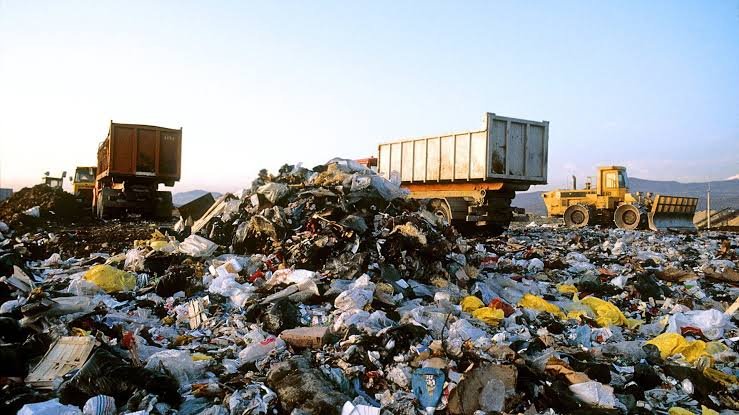
India’s waste management industry is set for strong expansion with the Solid Waste Management Rules 2026, effective from April 1. The new rules require strict segregation of waste into four categories, tighter compliance for bulk generators, and reduced landfill disposal. These measures are expected to boost demand for recycling, composting, material recovery, and waste‑to‑energy projects.
The industry, valued at ₹1.2 lakh crore in 2023, is projected to reach ₹1.7 lakh crore by 2030. At present, 77% of waste is dumped openly, only 18% is composted, and just 5% is recycled. Closing this gap will need heavy investment and private sector participation.
Three companies are well positioned to benefit. Antony Waste Handling Cell Ltd, operating in ten states with a strong ₹18,000 crore order pipeline, is a leader in municipal solid waste solutions. EMS Ltd, specialising in water and wastewater projects, is expected to gain from integrated waste‑water management opportunities. Ganesha Ecosphere Ltd, a pioneer in PET bottle recycling, stands to benefit from Extended Producer Responsibility rules that push producers towards sustainable practices.
Together, these firms highlight how regulatory changes and urbanisation are creating a structured circular waste economy in India. For investors, this sector offers exposure to a fast‑growing ₹1.7 lakh crore opportunity with clear % growth potential.