
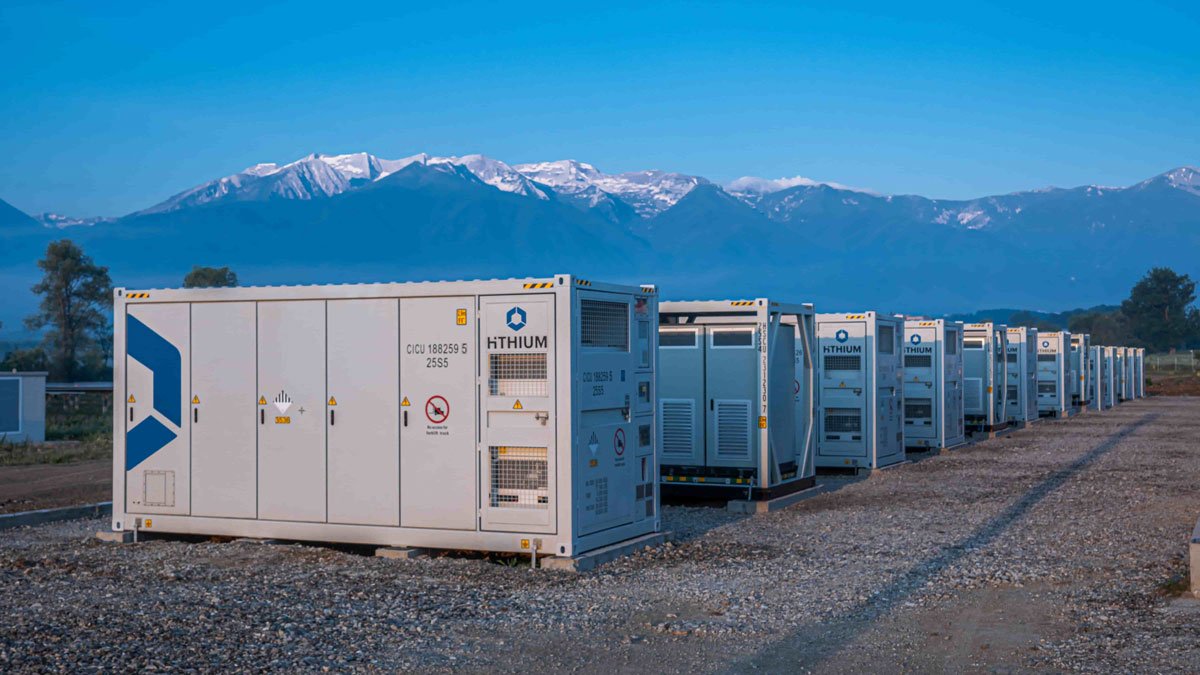
India is preparing a major step in renewable energy. From July 2027, all new ground mounted solar and onshore wind projects must include battery storage. This move aims to make clean power more reliable by storing electricity when generation is high and releasing it when demand peaks.
Solar power peaks in daylight while demand often rises later. Wind power is unpredictable. India curtailed over 8,000 GWh of solar power between April and June 2026 due to grid limits. Batteries will reduce such wastage and improve flexibility.
The Central Electricity Authority has proposed that new projects install storage equal to 10% of plant capacity for two hours. For example, a 100 MW solar plant must add a 10 MW battery. From 2029 to 2031, storage duration will rise to four hours. Plants must also include advanced inverters with grid forming control.
India’s non fossil capacity reached 300 GW in July 2026, including 165 GW solar and 58 GW wind. The target is 500 GW by 2030. The National Electricity Plan projects battery storage rising from 9 GWh now to 236 GWh by 2032.
Experts say batteries will raise costs initially but will make renewable power more valuable by ensuring supply at the right time.