

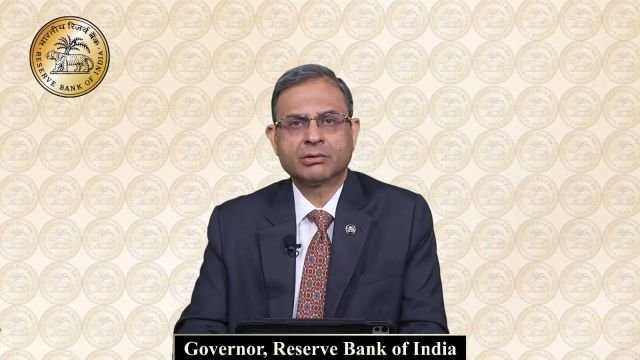
Reserve Bank of India’s Monetary Policy Committee has raised the repo rate by 25 basis points to 5.5%. This is the first increase since February 2023. The committee also shifted its stance from neutral to calibrated tightening, showing that future decisions will lean towards controlling inflation while supporting growth.
The repo rate is the interest charged by RBI when lending to banks. A hike makes borrowing costlier and saving more rewarding. This move will directly affect home loans, car loans and other floating rate borrowings. At the same time, deposit rates are expected to rise, giving savers better returns.
RBI expects consumer price inflation to average 5.8% in the coming quarters. Core inflation is projected at 4.4%. Rising oil prices, global conflicts and weather risks like El Niño are seen as challenges. However, RBI believes India’s economy is strong enough to withstand external shocks.
The central bank has raised India’s GDP growth forecast for FY27 to 7.1% from 6.7%. This shows confidence in domestic demand and resilience despite global uncertainty.
For markets, the move may bring short term volatility. For households, loan EMIs will rise while deposits become more rewarding. RBI has signalled that rate cuts are unlikely soon.